Red Light Therapy for Mental Health: What the Research Says (And What It Doesn’t)
This post may contain affiliate links, which means we may receive a commission, at no extra cost to you, if you make a purchase through a link. Please see our full disclosure https://sagecounselingtherapyandwellness.com/disclosure-privacy-policy-terms-of-use/ for further information.
Red light therapy has been everywhere lately — skincare clinics, wellness influencers, recovery studios, even mental health conversations. And honestly? Some of the interest is warranted. There is emerging research suggesting red and near-infrared light therapy (often called photobiomodulation) may support mood, sleep, stress regulation, and cognitive function.
But it’s not a miracle fix, and it definitely isn’t a replacement for therapy, medication, or good self-care habits. Think of it more like a supportive wellness tool rather than a cure.
Here’s a grounded, evidence-informed breakdown of what we actually know so far.
What Red Light Therapy Is (In Plain English)
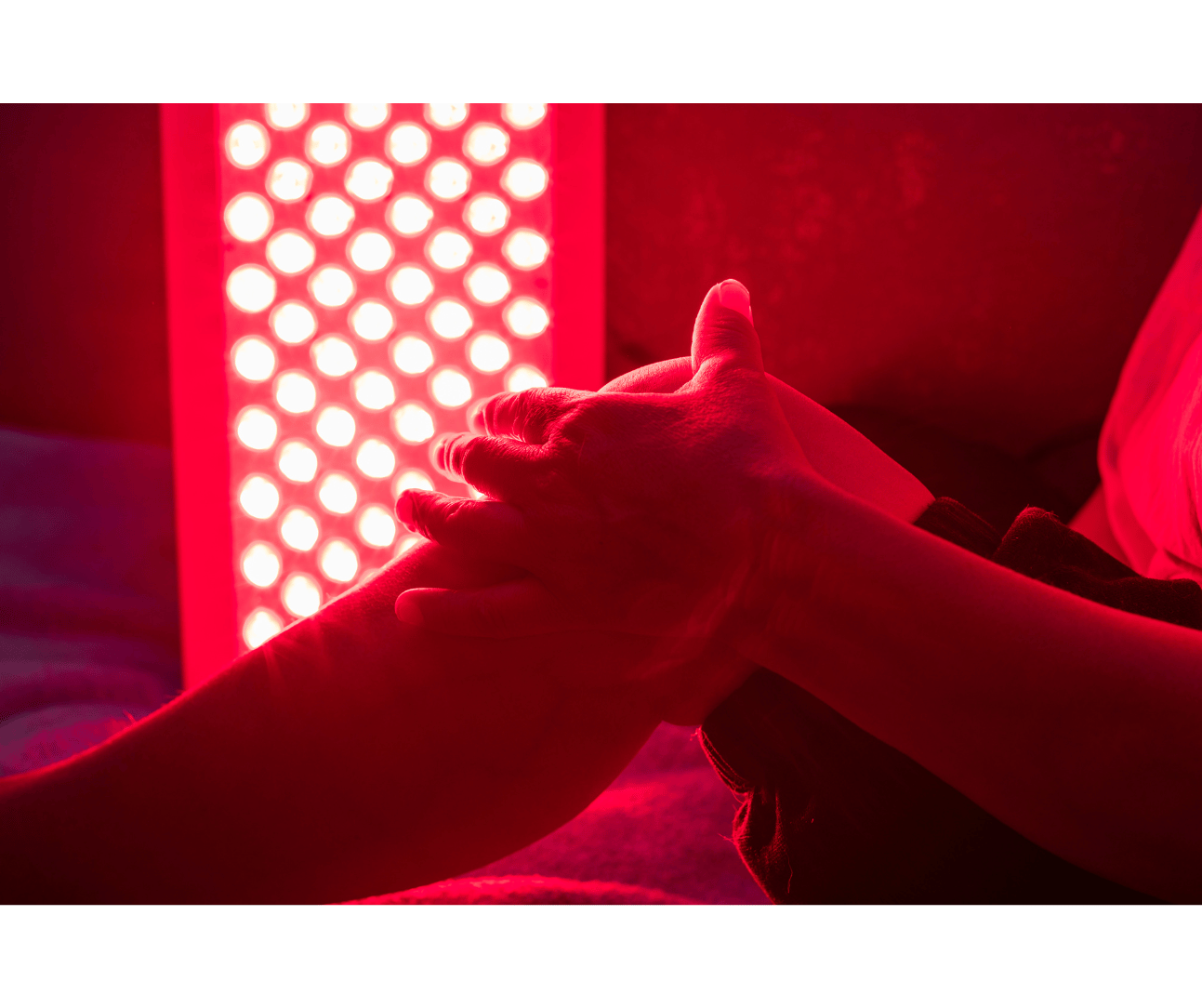
Red light therapy uses specific wavelengths of red or near-infrared light to stimulate cellular activity — especially in mitochondria, which are basically your cells’ energy generators.
When those systems run more efficiently, it can influence inflammation, nervous system regulation, sleep cycles, and even brain function. That’s where the mental health connection comes in.
Potential Mental Health Benefits of Red Light Therapy
1. Mood Support and Depression Symptoms
Some small clinical trials using near-infrared light directed at the forehead or scalp have shown improvements in depressive symptoms. Researchers believe this may be related to increased ATP (cellular energy), improved blood flow to the brain, and reduced inflammatory signaling.
This is promising — but still early research. It’s supportive, not curative.
2. Nervous System Regulation
Many people report feeling calmer after sessions, and there’s some biological plausibility here. Photobiomodulation appears to reduce oxidative stress and inflammation, which are linked to chronic sympathetic (“fight-or-flight”) activation.
If your nervous system has been stuck in stress mode, anything that helps regulate that baseline can indirectly support emotional wellbeing.
3. Sleep Quality and Circadian Rhythm
Better sleep is one of the more consistent anecdotal benefits.
Red wavelengths don’t suppress melatonin the way blue light does, and some research suggests they may help regulate circadian rhythms. Improved sleep often leads to:
-
Better mood stability
-
Less irritability
-
Stronger emotional resilience
-
Improved focus
And honestly, sometimes sleep alone makes a huge difference.
4. Stress and Anxiety Support
Early pilot studies looking at transcranial near-infrared light have shown reductions in anxiety scores and improved sleep in people with generalized anxiety symptoms.
The likely mechanisms:
-
Reduced inflammation
-
Improved mitochondrial efficiency
-
Better stress recovery
-
Potential effects on autonomic nervous system balance
Again — encouraging, but still developing research.
5. Cognitive Clarity, Focus, and Brain Fog
Near-infrared light has been studied for attention, memory, and executive functioning. Some individuals dealing with burnout, ADHD overwhelm, or chronic stress report clearer thinking and improved mental energy.
The theory here relates to increased oxygen utilization and mitochondrial support in brain tissue.
6. Physical Benefits That Indirectly Help Mental Health
This part gets overlooked, but it matters:
-
Muscle recovery and reduced tension
-
Joint pain relief
-
Skin health improvements
-
Faster exercise recovery
When your body feels better, mental health often follows. Confidence, comfort, and physical ease all affect emotional wellbeing.
What Red Light Therapy Does Not Do
Let’s keep this realistic:
-
It doesn’t cure depression or anxiety.
-
It’s not a replacement for therapy, medication, or medical care.
-
Results vary widely. Some people notice benefits quickly; others don’t notice much at all.
-
Research is still emerging, and protocols aren’t standardized yet.
If anyone promises dramatic mental health transformation from a light panel alone, that’s a red flag.
Safe Ways to Use Red Light Therapy
If you’re curious about trying it:
Typical guidelines (always follow your specific device instructions):
-
5–15 minutes per session
-
About 3–5 times per week
-
Consistency matters more than long sessions
-
Keep eyes closed or wear protective goggles
-
Maintain recommended distance from the device
Avoid or check with a medical provider if you:
-
Take photosensitizing medications
-
Have seizure disorders or light sensitivity
-
Are pregnant or managing complex health conditions
When in doubt, ask.
A Simple Weekly Routine (If You Want Structure)
Example schedule:
Monday: 10–15 minutes, forehead/scalp area
Wednesday: Repeat session
Friday: Repeat session
Optional Saturday: Short booster if you notice benefits
Tracking mood, sleep, and stress for a few weeks can help you decide if it’s worth continuing.
Evidence-Based Resources If You Want to Go Deeper
If you like reading research (or want something client-friendly to reference):
-
Reviews on photobiomodulation and depression in PubMed
-
The ELATED-2 near-infrared depression pilot trial
-
Pilot studies on transcranial near-infrared therapy for anxiety
-
Systematic reviews on mitochondrial function, inflammation, and brain health
Most conclude the same thing: promising, safe when used correctly, but not yet first-line treatment.
My Therapist Take
I tend to view red light therapy the same way I view many wellness supports:
Helpful adjunct? Possibly.
Standalone solution? Rarely.
Mental health almost always benefits from a layered approach:
-
Therapy or coaching
-
Sleep and nervous system regulation
-
Movement and body care
-
Supportive relationships
-
And sometimes tools like this that help the system function a bit better.
If you’re curious, experiment thoughtfully — just don’t expect a light panel to do the deeper emotional work for you.
And if you do try it, I’d genuinely love to hear what you notice.
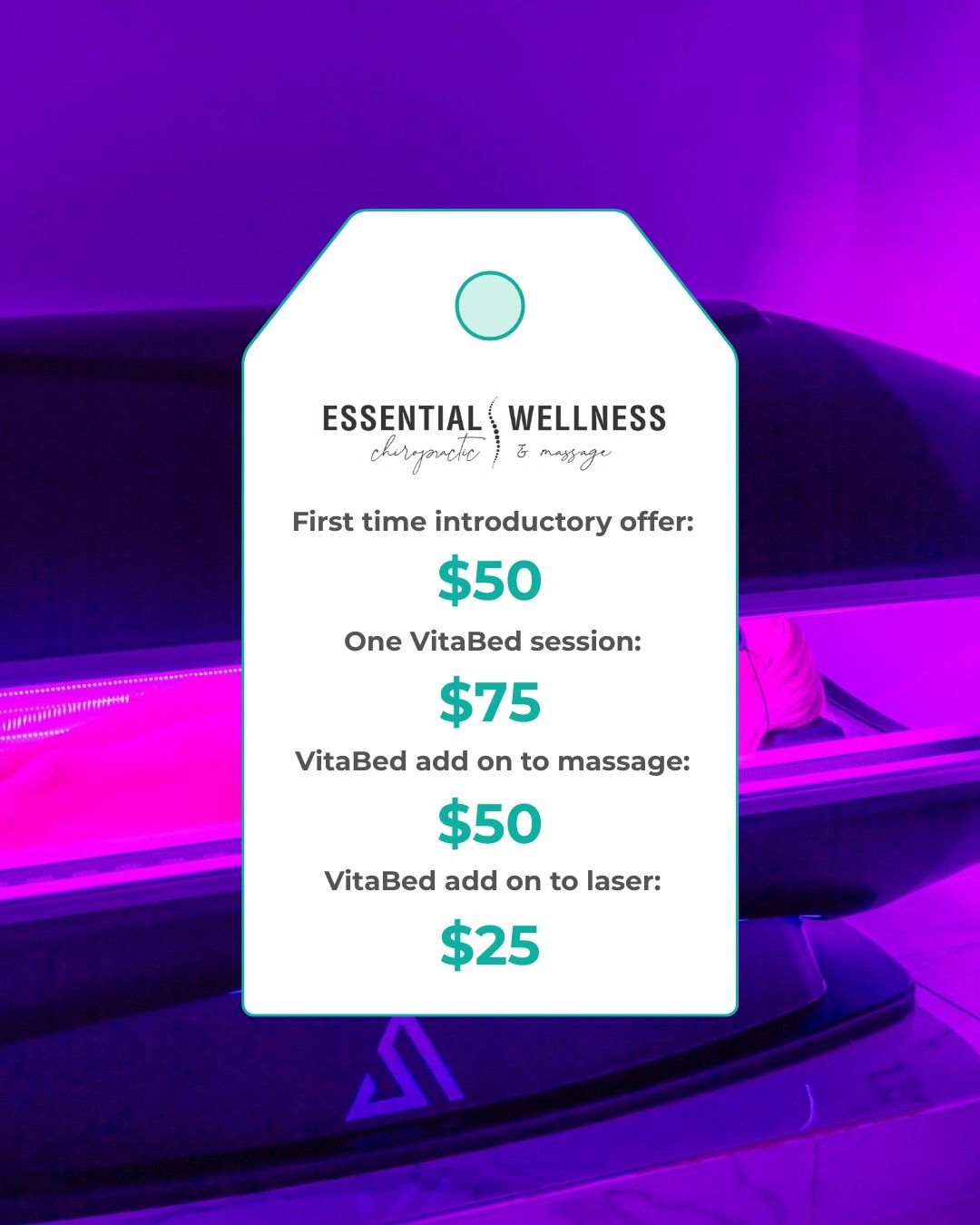
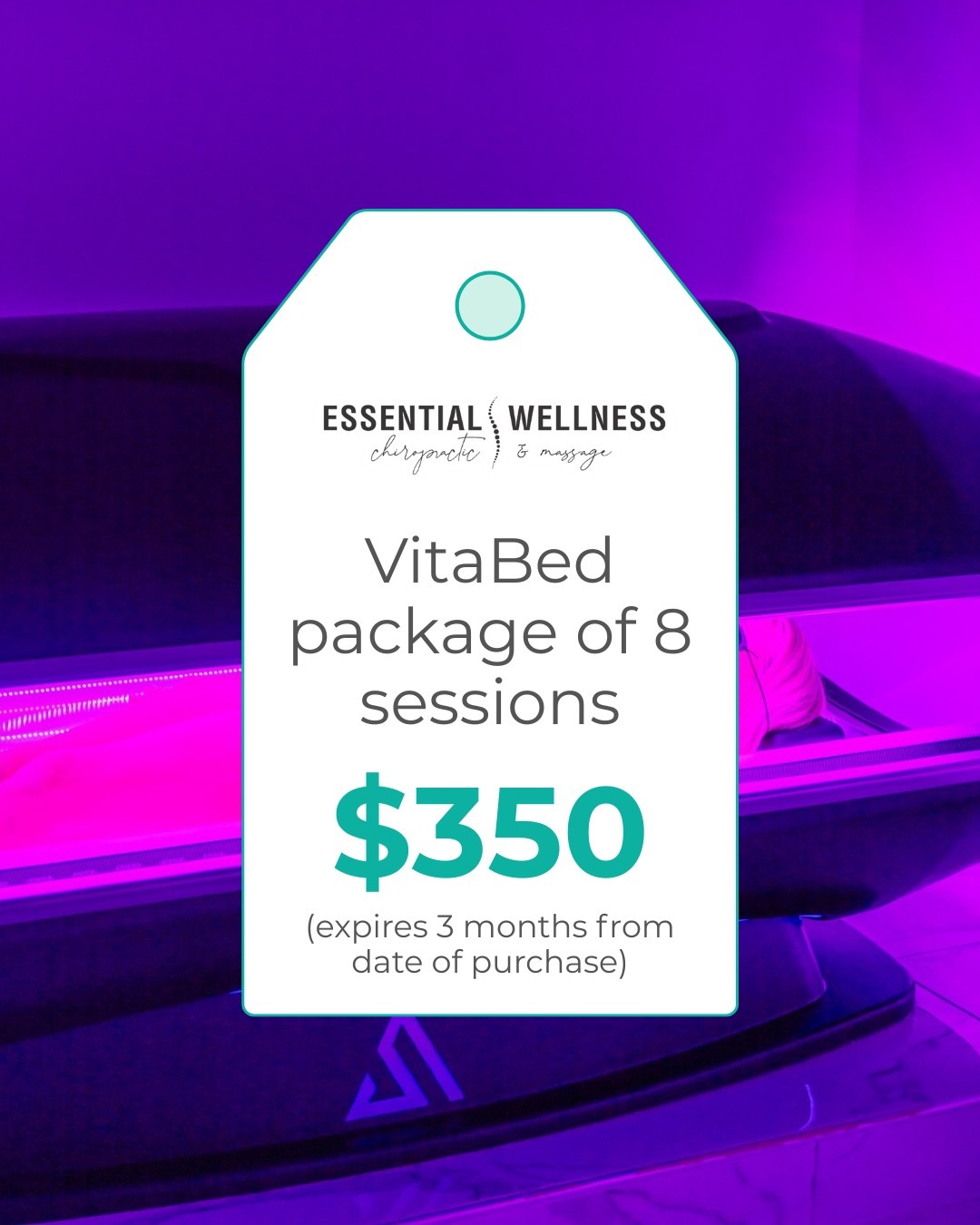
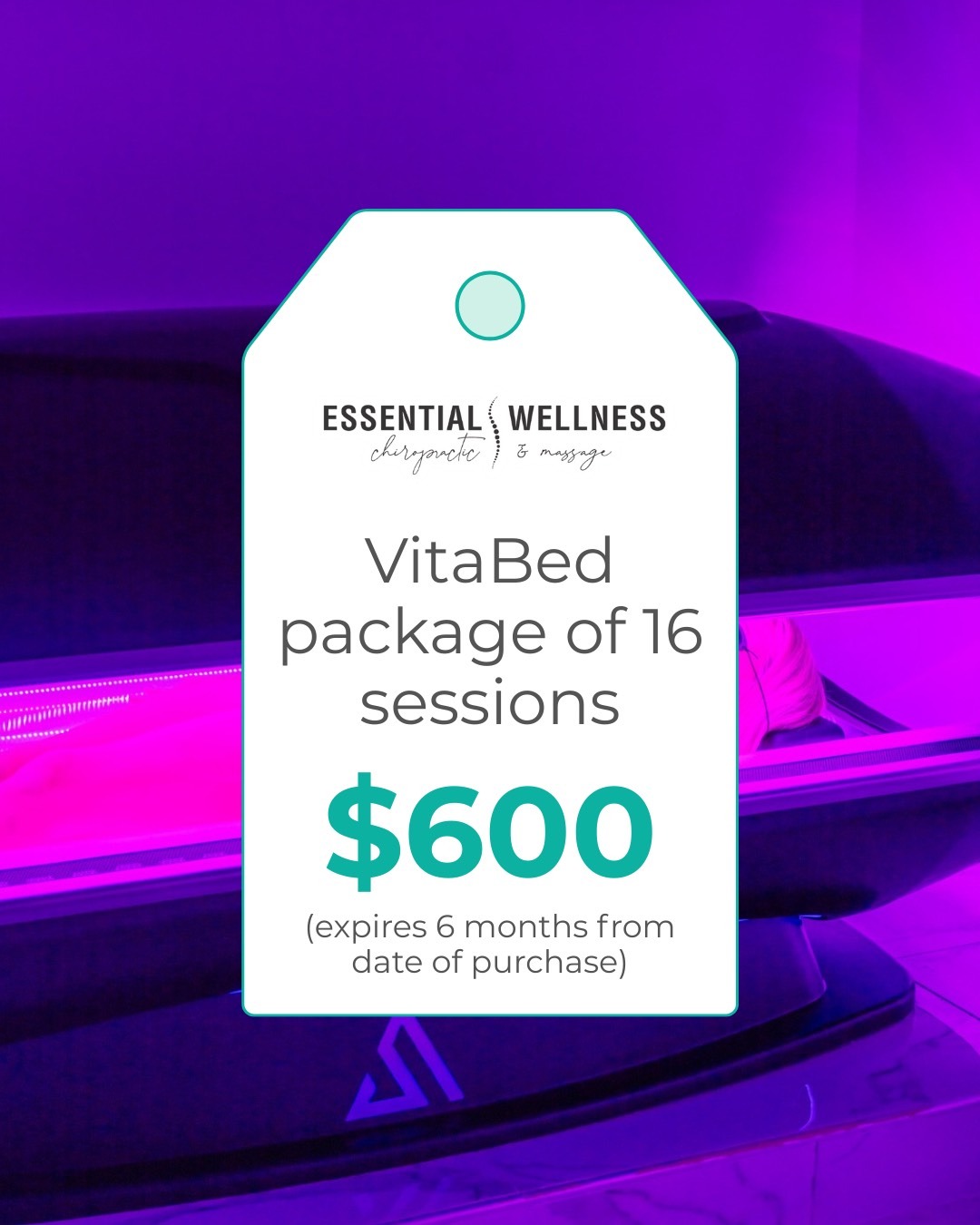
If you’re local to Cumming, GA, check out Essential Wellness Chiropractic and Massage. They’re in Vickery Village as well and offering 10% off to SCW clients.



0 Comments