
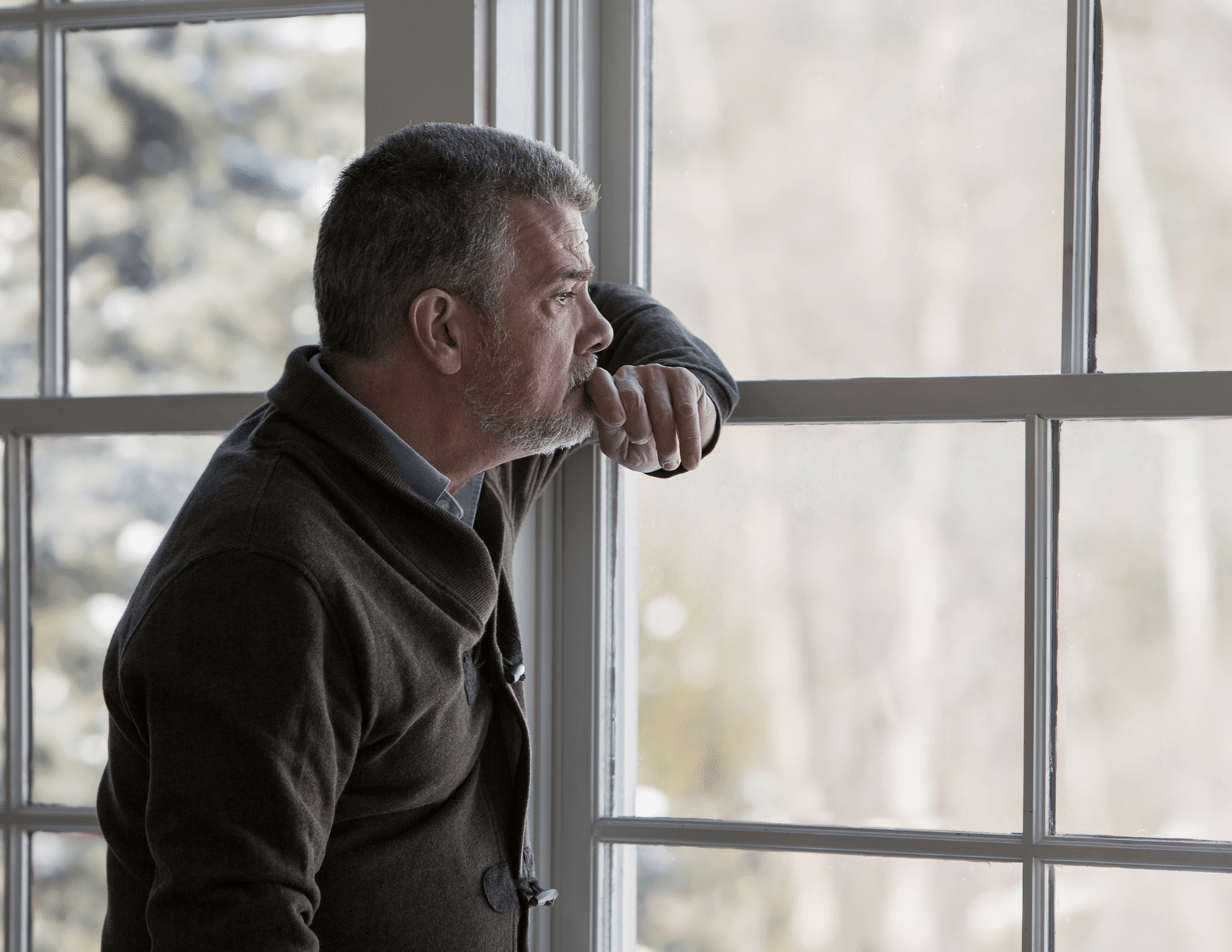
How to Cope With Seasonal Depression Symptoms
This post may contain affiliate links, which means we may receive a commission, at no extra cost to you, if you make a purchase through a link. Please see our full disclosure https://sagecounselingtherapyandwellness.com/disclosure-privacy-policy-terms-of-use/ for further information.
The seasons change, and sometimes, so does our mental health. Learning how to identify Seasonal Affective Disorder (SAD), understanding how winter blues differ from this, and creating supportive routines that make you feel more balanced can help make this season a little easier.
When days get shorter and temperatures start to drop, you might notice changes in mood, motivation, and energy. Things that used to be fun now seem like work. Getting out of bed is harder. Time with others feels overwhelming. Seasonal changes can affect us all differently, but if mental health changes become more frequent as the weather changes, it may be a sign of something more than the “winter blues.” SAD, commonly called “seasonal depression,” is a form of depression that occurs based on seasonal changes. It most commonly starts in the fall or winter months, but some people have seasonal depression during spring or summer, as well (National Institute of Mental Health [NIMH], n.d.). Being aware of these changes can help you figure out when your mental health might need some extra attention and how to support yourself throughout the season.
Recognizing Seasonal Mood Changes
It’s normal to have some energy and motivation changes as the seasons change, but seasonal depression involves more serious symptoms that interfere with everyday life (Mayo Clinic, n.d.). Some of these symptoms include:
– Persistent sadness, emptiness, or hopelessness
– Feeling tired all the time or not being able to get out of bed
– Sleeping more than usual but still feeling tired
– Losing interest in activities you typically enjoy
– Difficulty concentrating or staying motivated
– Changes in appetite (including increased cravings for carbohydrates)
– Withdrawing from friends, family, or social activities
– Feeling irritable, overwhelmed, or emotionally disconnected
These symptoms may come on slowly. They can be hard to spot at first. But you don’t have to wait until your symptoms worsen to know something feels different. Paying attention to changes in your emotional and mental state is an important part of caring for yourself and evaluating whether your mental health requires extra attention.
Winter Blues vs. Seasonal Depression: What’s the Difference?
People use the terms “winter blues” and “seasonal depression” interchangeably, but they’re not the same thing. The “winter blues” are generally mild changes in mood or energy during the colder months. You may feel less motivated or want to stay home more often. These feelings can be frustrating, but they’re also very normal and usually don’t impair your ability to get through the day.
Seasonal Affective Disorder, on the other hand, is a clinically recognized pattern of depression that typically lasts 4-5 months and has more of an effect on your daily functioning (NIMH, n.d.). Unlike the winter blues, SAD interferes with relationships, work, school, or other responsibilities. A healthcare professional might consider a seasonal pattern when depressive episodes occur repeatedly during one season and improve in another season (NIMH, n.d.). Therefore, feeling less energetic or motivated in the winter months doesn’t mean you have seasonal depression, but if emotional distress lasts for weeks or months, then that is something to pay attention to.
How Changes in Light Affect Sleep, Mood, and Energy
One reason seasonal depression is associated with colder months is that there is less natural daylight during this time of year. Sunlight regulates the body’s internal clock, or circadian rhythm. This system controls sleep, wakefulness, and daily energy levels. When daylight hours are shorter, some people experience disruptions in their sleep-wake cycles. Reduced daylight may also affect biological systems involving melatonin, a hormone that controls sleep, and serotonin, a neurotransmitter that regulates mood (NIMH, n.d.). These changes can lead to more fatigue, waking up later, changing sleep patterns, and lower motivation. However, seasonal depression is complicated. Biological factors, environmental changes, personal stressors, and individual vulnerabilities can all play a role in how someone experiences seasonal mood changes.
Educational Tip: Just because you’re feeling more tired during winter doesn’t mean you’re lazy or unmotivated. Your body may be responding to daylight changes, sleep patterns, and emotional well-being as well.

Creating Supportive Routines During the Colder Months
Seasonal depression may not be completely preventable, but building routines that support emotional stability can make difficult days feel less overwhelming. Try the following:
- Make time for natural light. Try to spend time outdoors—earlier in the day, if possible. Take a short walk in the morning, have lunch outside, or simply open your curtains during the day. The more natural light you can get into your space, the better! Even small moments of daylight can help with your daily routine.
- Maintain a consistent sleep schedule. Seasonal changes make it tempting to sleep longer or stay in bed all day. Try to stick to consistent sleep and wake times, have a relaxing night routine, and limit screen time before bed. You’re not trying to force yourself into a perfect schedule; you’re creating consistency so your body can work with that rhythm.
- Incorporate gentle movement. Physical activity can support mental health by reducing stress and promoting well-being. Movement doesn’t have to be an intense workout or a trip to the gym. Stretching, yoga, dancing, walking, or going to a movement class are all activities that count as exercise. Remember, movement should be something that supports your body, not another thing that adds pressure to your day.
- Stay connected with others. When energy levels dip, socializing may seem like another thing to do on an already long list. However, prolonged isolation can also increase feelings of sadness and loneliness (Centers for Disease Control and Prevention [CDC], 2024). Connection doesn’t always require elaborate plans. Schedule a coffee date, call a friend, spend time with family, or do something that creates community. Sometimes a simple conversation will make all the difference.
- Practice self-compassion. When you’re not feeling motivated, it can be easy to criticize yourself for not being as productive or energized as usual. Don’t expect yourself to function at the same speed every day. Practice resting without judgment. Some days will need more flexibility or emotional support. You are allowed to change your expectations without seeing those changes as personal failures.
When Should You Seek Professional Help?
Supportive routines are not a replacement for mental health treatment when symptoms become chronic or disruptive. Reach out to a licensed mental health professional if:
- Sadness or hopelessness lasts two weeks or more
- You lose interest in activities that used to make you happy
- You experience changes in sleep or appetite that impact your daily life
- You’ve tried several coping skills, and they haven’t worked for you
- You find it difficult to keep up with relationships, work, or school obligations
- Your symptoms come back around the same time each year
- You feel more and more isolated or emotionally drained
A mental health professional can help you evaluate your symptoms and explore treatment options that work for you. Treatment of seasonal depression may be psychotherapy (cognitive behavioral therapy, or CBT), light therapy, medication, or a combination of these approaches. (NIMH, n.d.). Asking for support is not a sign of weakness—it’s an opportunity to learn more about your emotional needs and how to manage them.
If you are having thoughts of suicide or experiencing an immediate emotional crisis, call/text 988 in the US to reach the Suicide & Crisis Lifeline.
Additional Resources for Supporting Your Mental Health
Finding small, intentional ways to care for your well-being during the colder months can be part of creating a supportive routine. Self-care products cannot treat seasonal depression on their own, but some resources might encourage mindfulness, relaxation, and healthy daily habits.
- Practice mindfulness by journaling. When seasonal changes make you feel overwhelmed, disconnected, or unmotivated, journaling can be a way to slow down and check in with yourself. I Am Here Now: A Creative Mindfulness Guide and Journal by The Mindfulness Project contains interactive mindfulness exercises, creative activities, and reflection prompts to help readers become more aware of their thoughts and emotions. Take 5-10 minutes in the morning or evening to think about how you’re feeling, write about what you’re grateful for, or create something without pressure to be productive.
Educational Tip: Mindfulness isn’t forcing yourself to feel happy. It’s creating space for you to acknowledge your emotions without judgment.
- Create a calm environment. Spending more time indoors can make your home environment feel more important. Having a place to sit and relax, journal, or wind down before bed is a simple way to support your self-care routine. The Pure Enrichment PureSpa Natural Aromatherapy Oil Diffuser has soft color-changing lights and allows you to diffuse essential oils throughout your space. It can be part of a calming evening routine, whether you’re doing that while meditating, reading, or just taking a few moments to relax.
Educational Tip: Calming your environment isn’t about getting rid of difficult emotions; it’s about creating room for comforting moments and intentional rest.
You Don’t Have to Navigate Seasonal Changes Alone
Seasonal depression makes everyday responsibilities seem harder. Knowing the signs is the first step toward understanding what your mind and body may need. Spending more time outdoors, creating routines, staying connected with loved ones, seeking professional help, and caring for your mental health can help make this season easier.
At Sage Counseling Therapy & Wellness, we believe mental health care should be compassionate, individualized, and supportive of your experiences. If seasonal changes are affecting your emotional well-being, seek out additional support. Don’t wait for a new season to start prioritizing your mental health!
To discuss how therapy could help you during this season of your life, please contact Sage Counseling and Wellness or schedule your free 15-minute consultation.
References:
American Psychiatric Association. (n.d.). Seasonal affective disorder (SAD). https://www.psychiatry.org/patients-families/seasonal-affective-disorder
Centers for Disease Control and Prevention. (2024). Health effects of social isolation and loneliness. CDC. https://www.cdc.gov/social-connectedness/risk-factors/index.html
Mayo Clinic. (n.d.). Seasonal affective disorder (SAD): Symptoms and causes. https://www.mayoclinic.org/diseases-conditions/seasonal-affective-disorder/symptoms-causes/syc-20364651
National Institute of Mental Health. (n.d.). Seasonal affective disorder. https://www.nimh.nih.gov/health/publications/seasonal-affective-disorder
Want to read more? Here are a few related blog posts you may be interested in checking out!



0 Comments